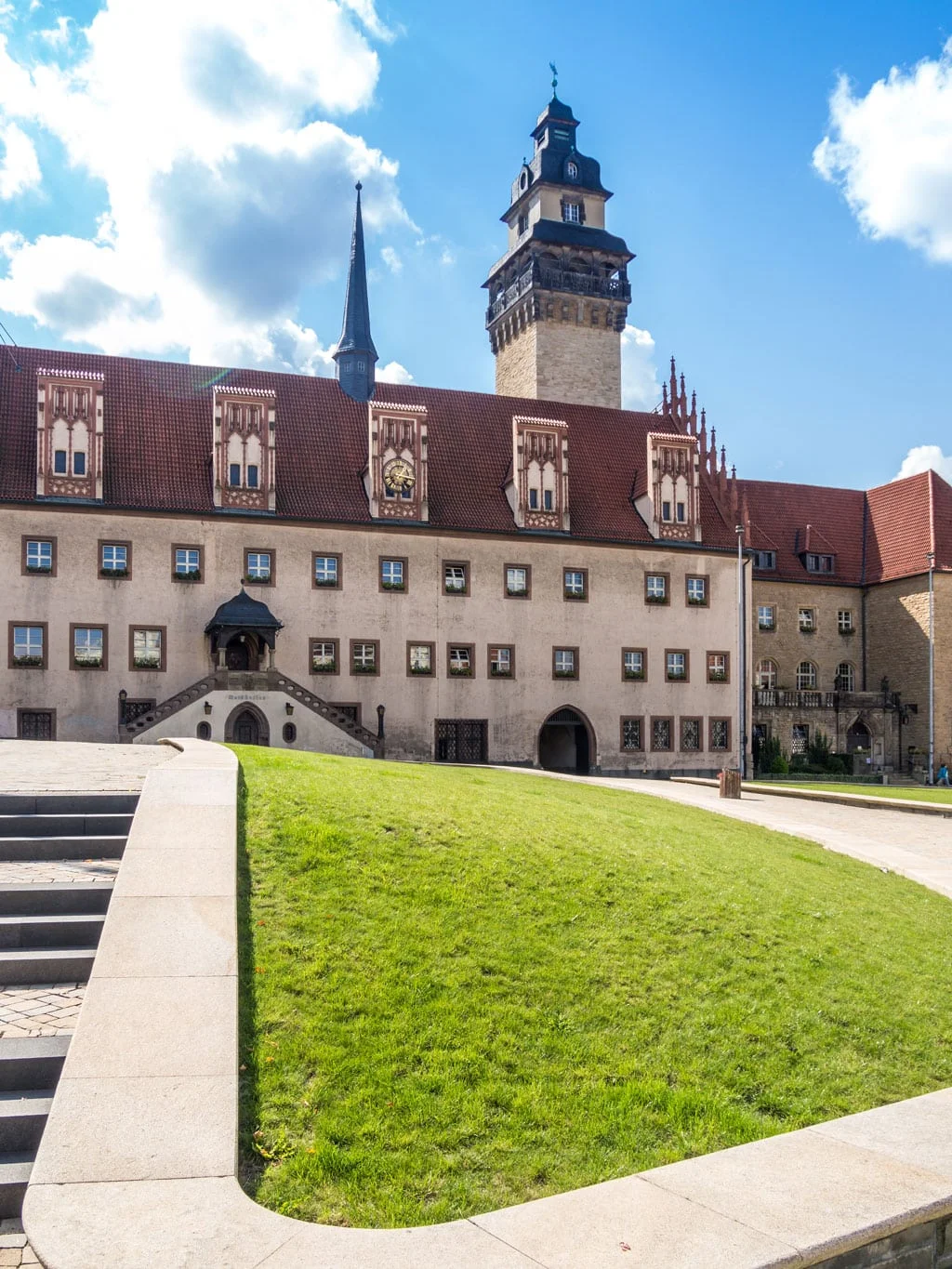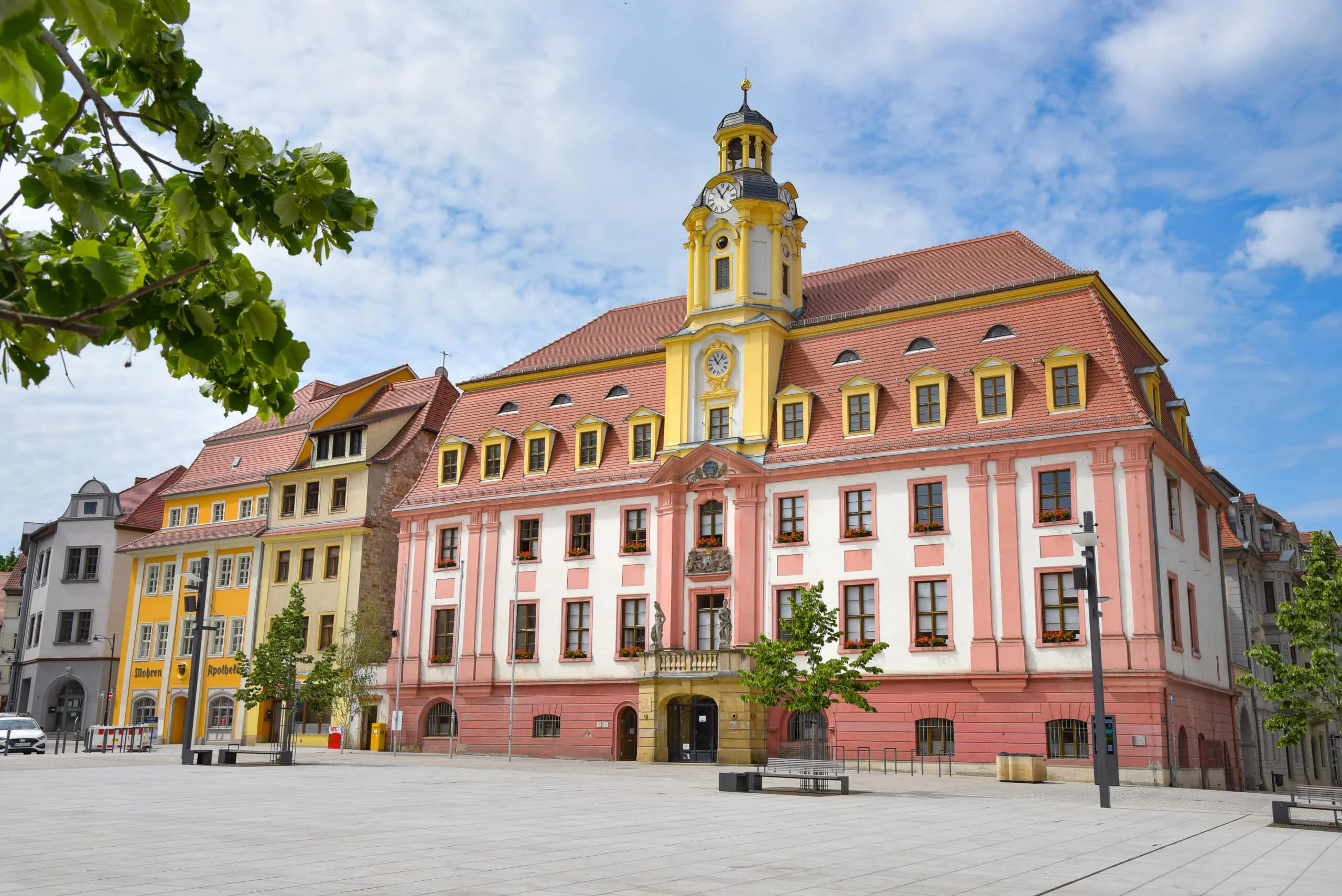
Rise to a Medieval Metropolis
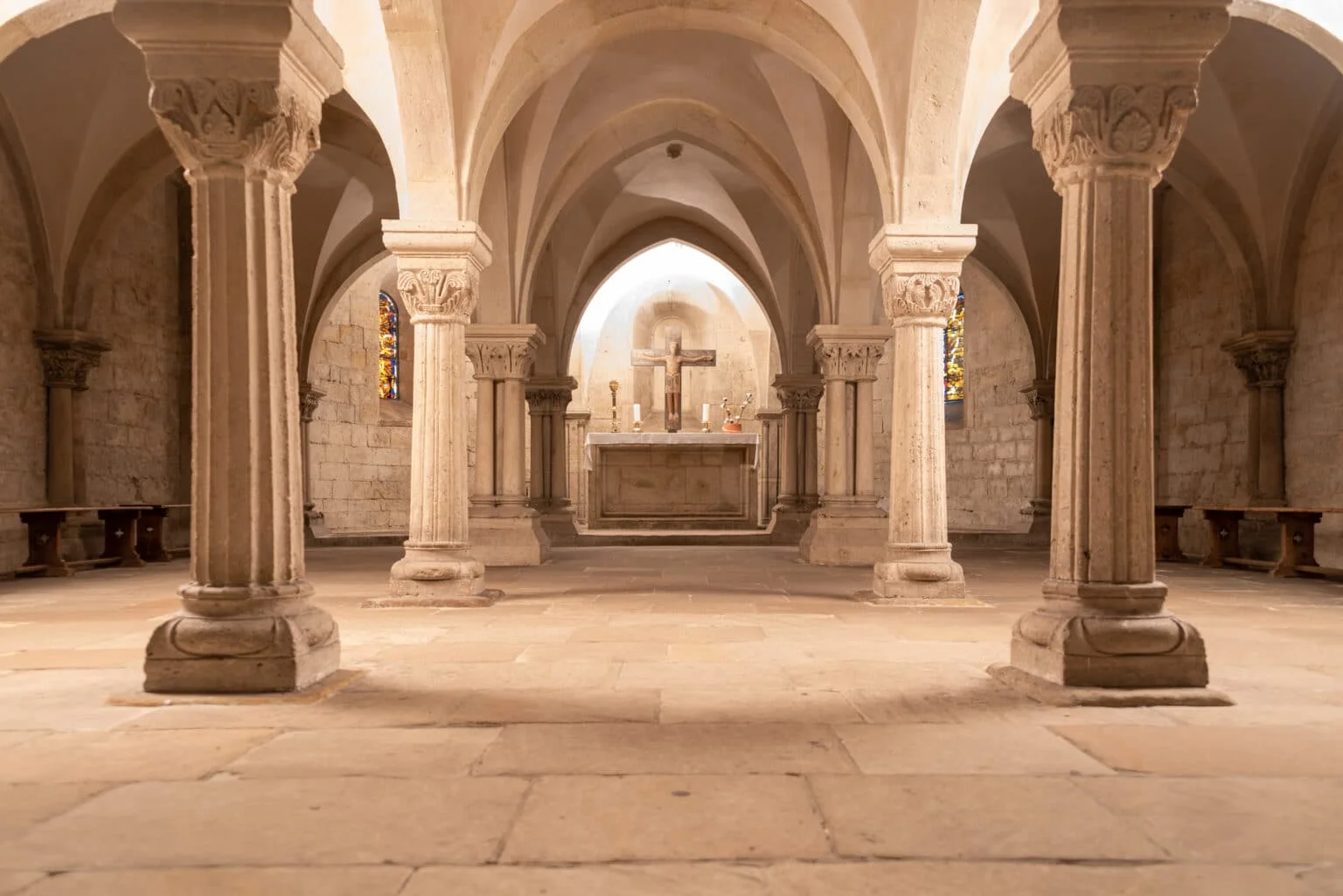
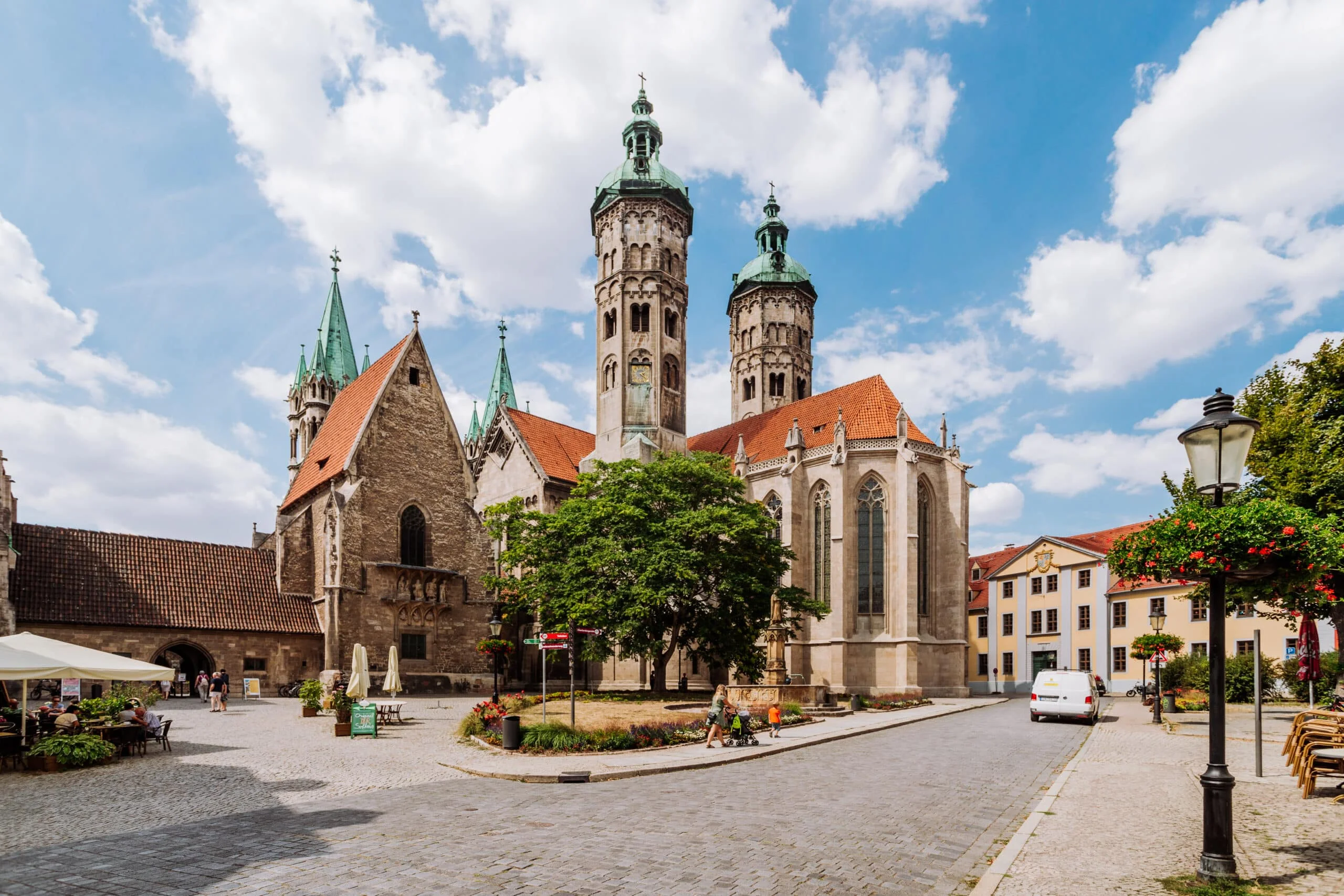
The history of Naumburg is inextricably linked to the Ekkehard dynasty, who relocated their family seat to the Saale river in the 11th century. With the founding of the bishopric in 1028, the settlement rapidly grew into a spiritual and economic centre. The Naumburg Cathedral, today a UNESCO World Heritage Site, still bears witness to this glorious era. Alongside the establishment of the clergy, a Jewish community developed early on, which, as part of the city's trading structure, helped drive the rise to a significant long-distance trading city.
Naumburg as a City of Fairs and Markets
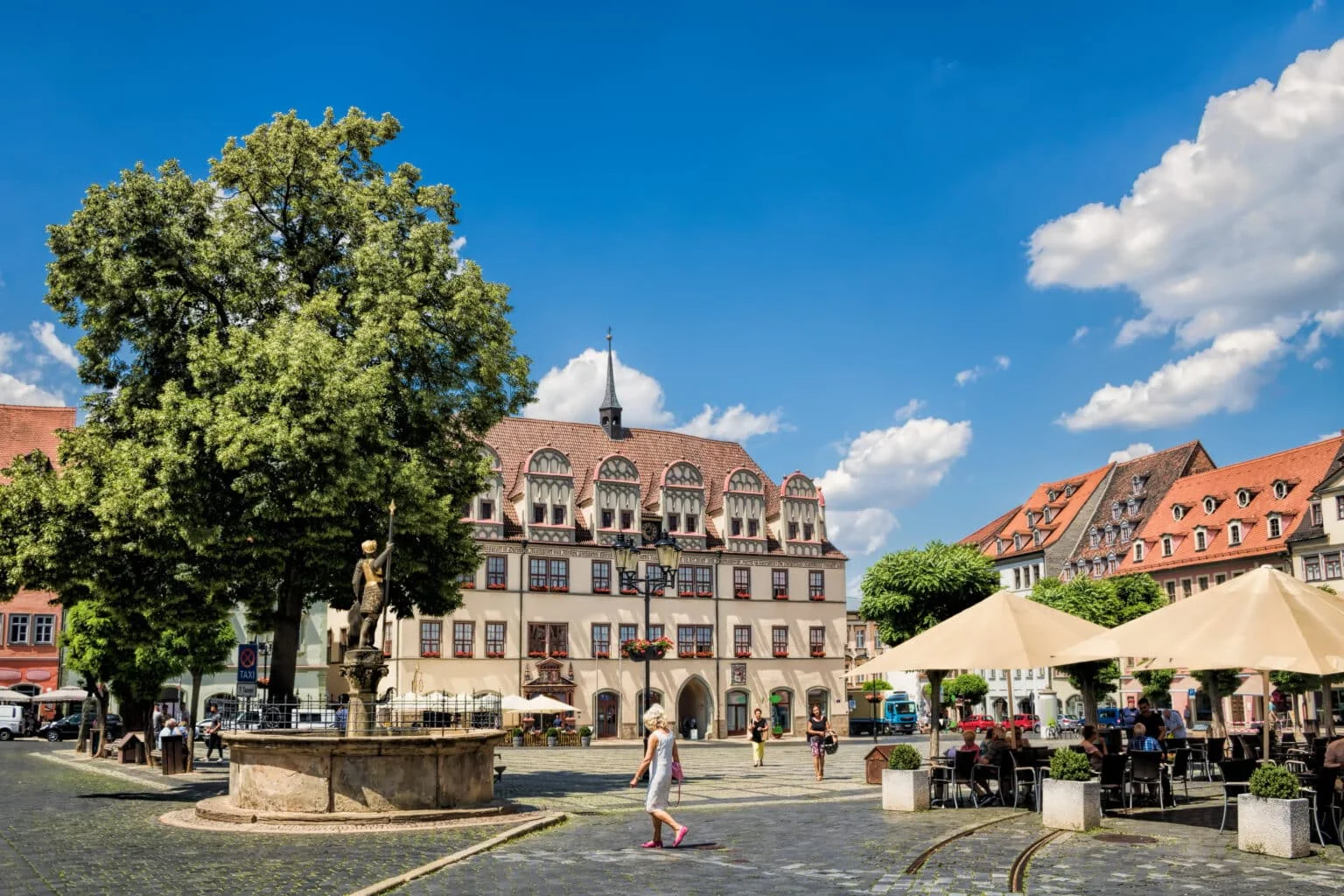
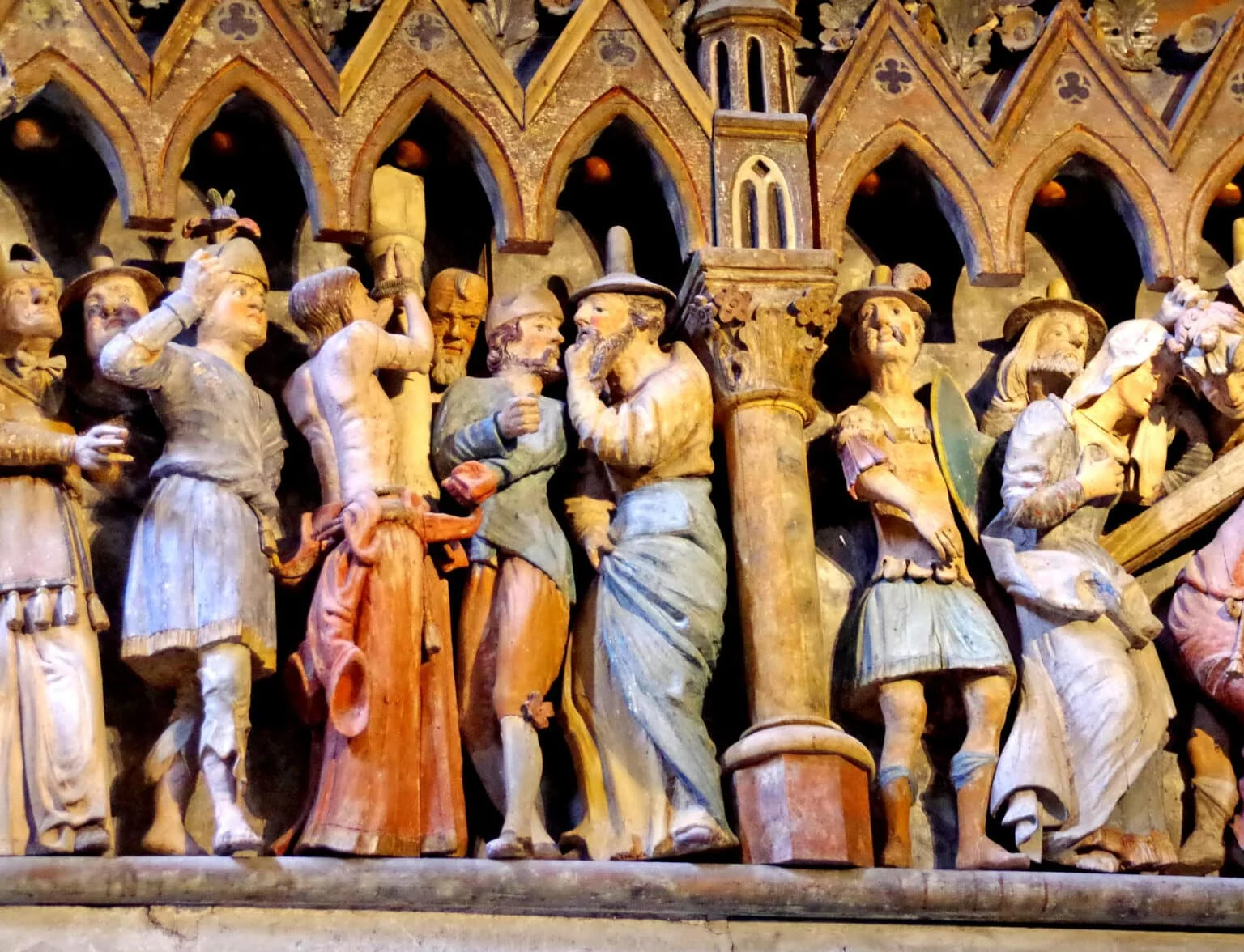
In the late Middle Ages and early modern period, Naumburg increasingly established itself as a trading hub. The Naumburg trade fair was at times considered one of the most important in central Germany, in direct competition with Leipzig. While the city flourished through trade in cloth and wine, social life was also marked by religious tensions. This led to the expulsion of Jewish citizens at the end of the 15th century — a rupture after which Naumburg was shaped for centuries primarily by its Christian-bourgeois crafts and administration.