Episcopal See and Early Centre of Power on the White Elster
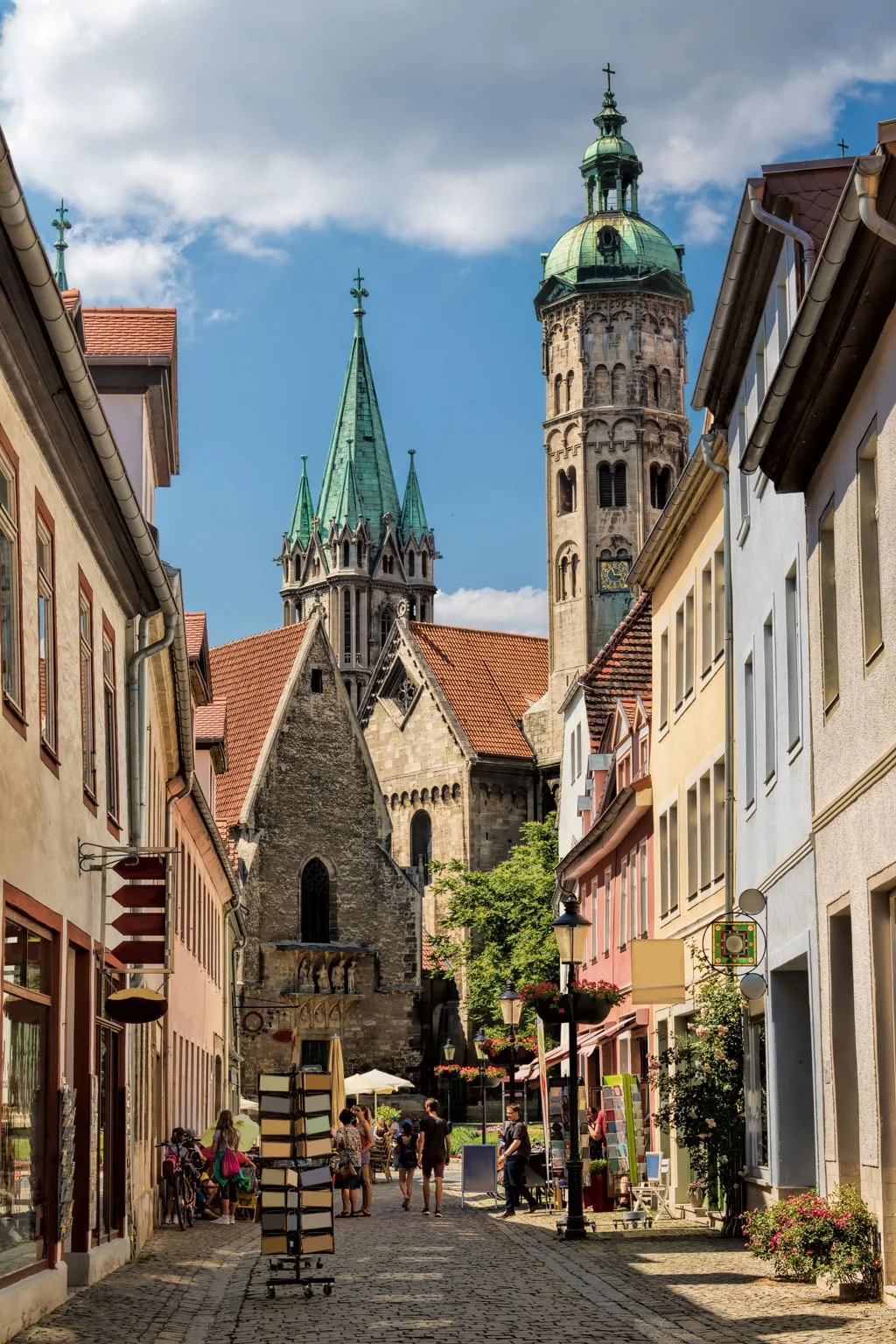
The history of Zeitz is rooted deep in the 10th century, when Emperor Otto I founded the bishopric of Zeitz in 968 to advance the Christian mission in the east. For centuries the city served as a spiritual and administrative centre, rapidly gaining importance thanks to its strategic location on the White Elster. The imposing Church of St Michael and the remains of the medieval fortifications still testify today to this era, in which Zeitz acted both as a bulwark and a bearer of culture. The social fabric was marked early on by a mixture of clerical power and an aspiring bourgeoisie. While the bishops set the political direction, a lively craft tradition developed in the alleyways of the old town, laying the foundation for the region's later prosperity.
Baroque Splendour and the Era of the Dukes
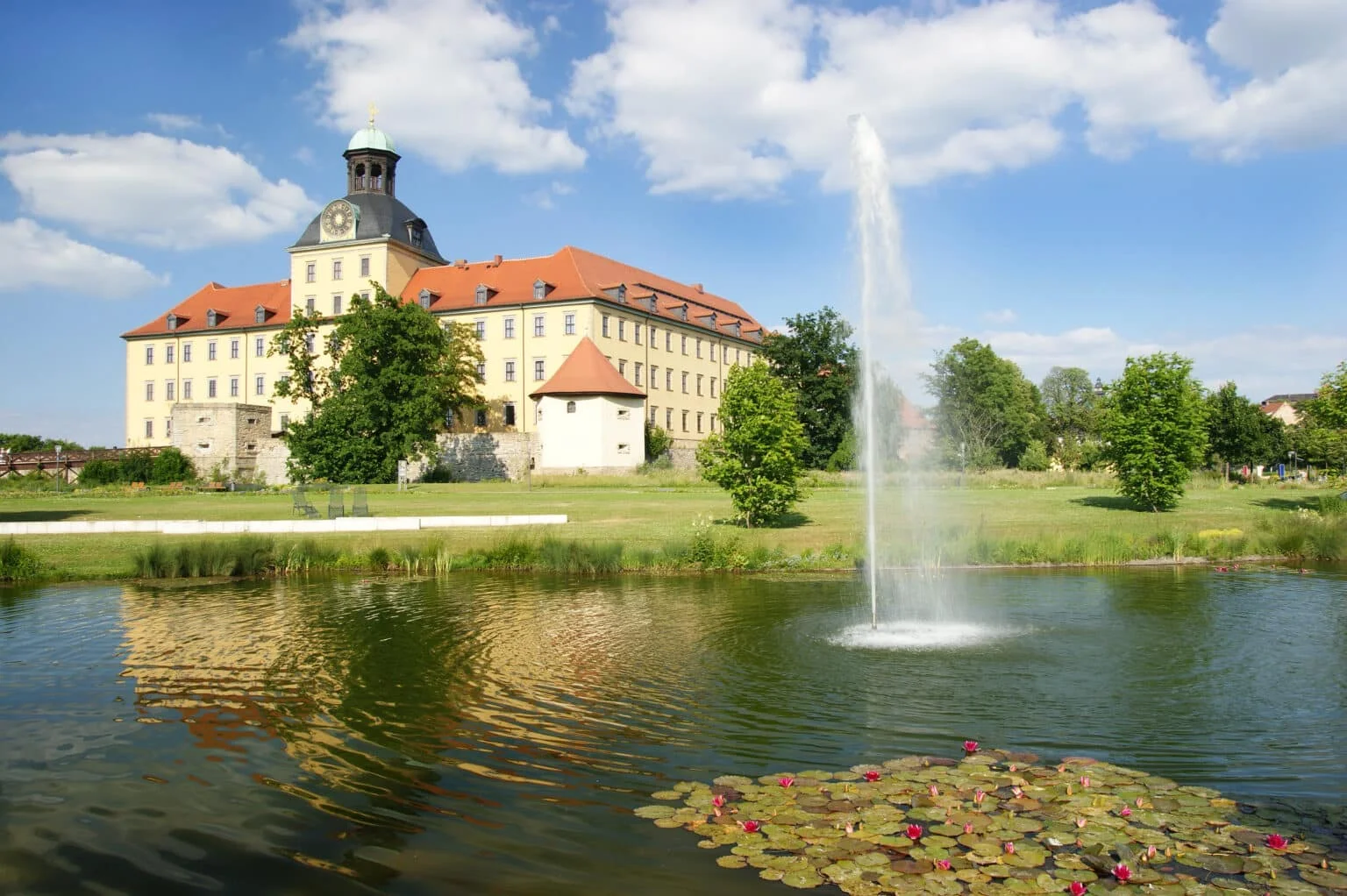
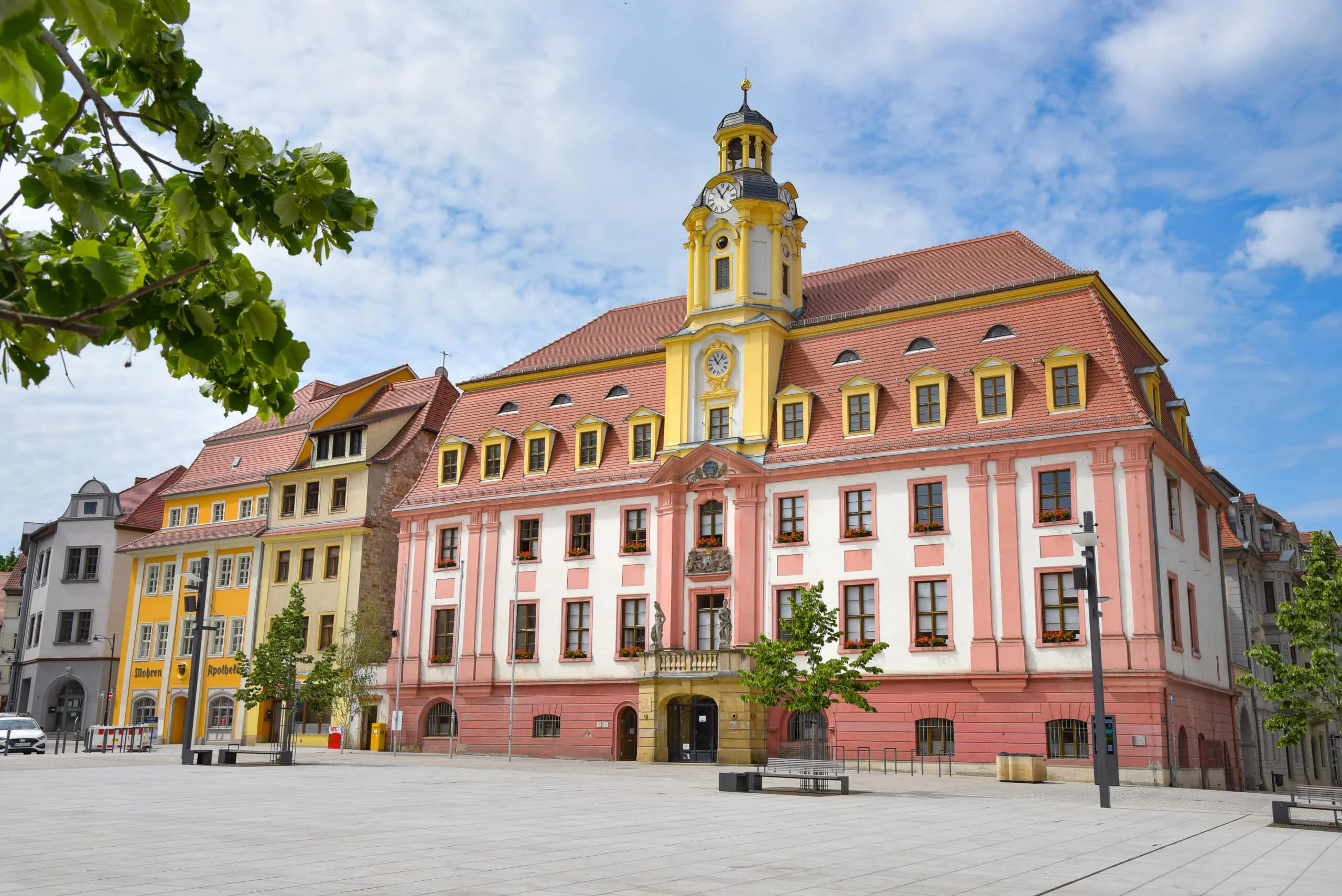
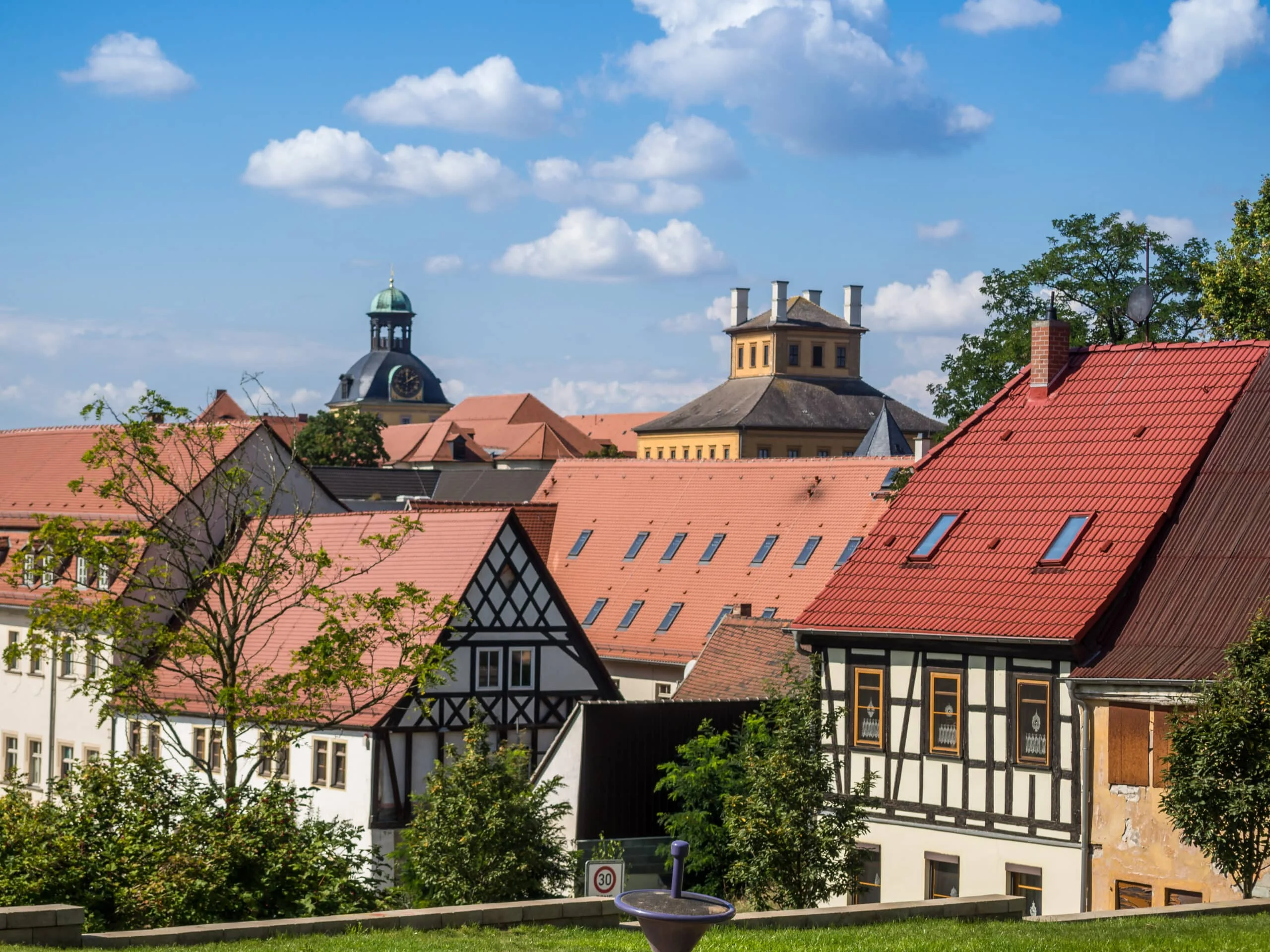
A decisive turning point came in the 17th century, when Zeitz was elevated to the residential city of the Duchy of Saxony-Zeitz after the devastation of the Thirty Years' War. Under Duke Moritz, the magnificent Moritzburg palace complex was built from 1657 — a jewel of early Baroque that still dominates the cityscape today. The city transformed during this period into a place of courtly representation, producing not only architectural masterpieces but also fostering science and the arts. The Baroque structure of the upper town with its generous squares and elaborately designed townhouses bears witness to this flourishing age. Zeitz became a cultural beacon in which the combination of princely authority and bourgeois diligence created a unique identity that radiated far beyond the borders of the duchy.